
pot
wal
Wahre Größe
steckt nicht immer
in den kleinen Dingen.
True greatness
is not always
in the small things.
Non sempre
la vera grandezza
si cela nelle piccole cose.


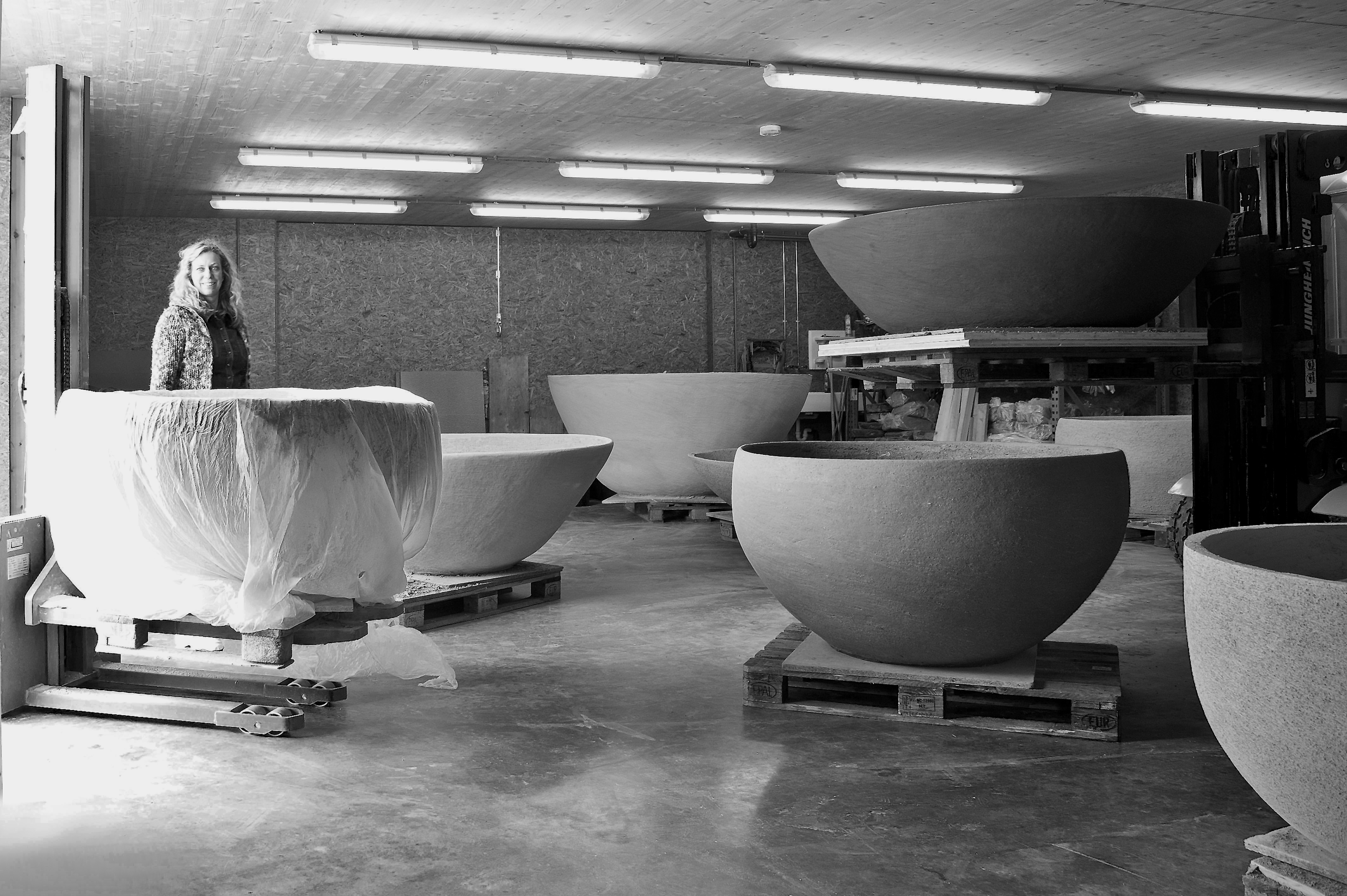
Stellen Sie sich eine 1-Frau-Manufaktur vor. Ein Haus auf einem Hügel, eine Künstlerin in Arbeitsschuhen, wie sie die Bauarbeiter tragen, einen Brennofen, einen Gabelstapler. Auf dem Gabelstapler sitzt die Künstlerin und führt Tongefäße in ihren Brennofen. Eine heikle Arbeit. Es geht um Zentimeter.
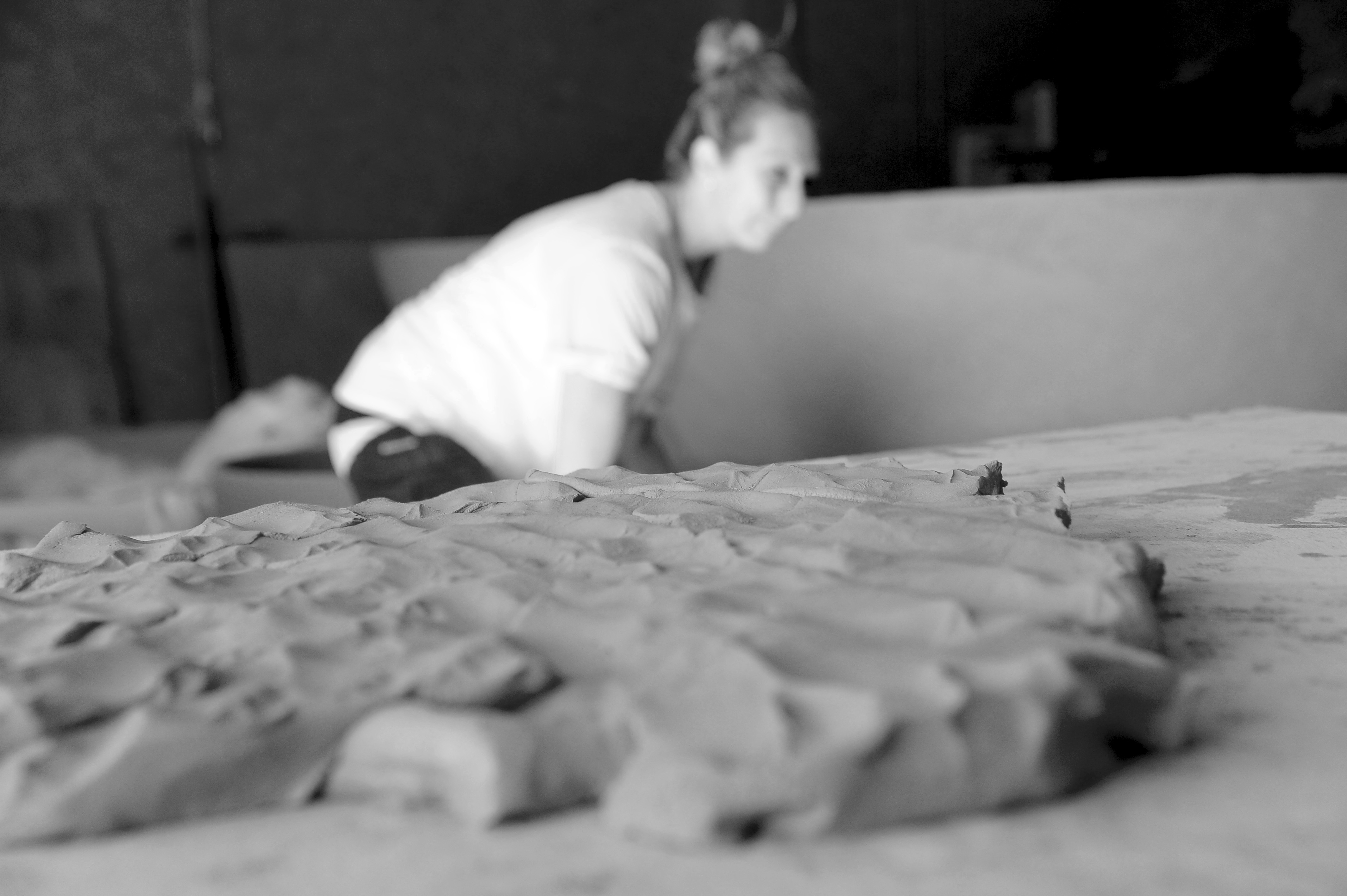
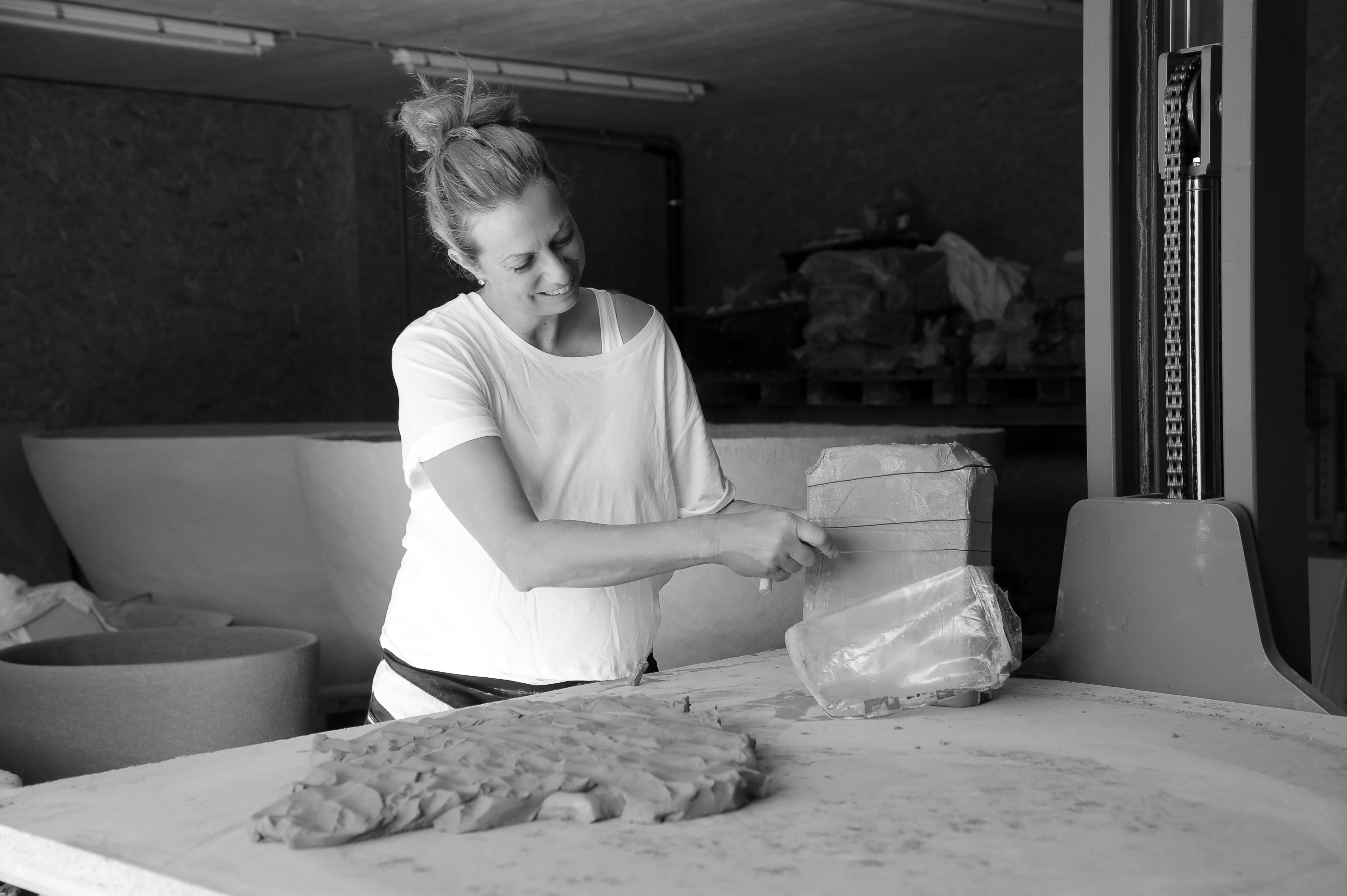
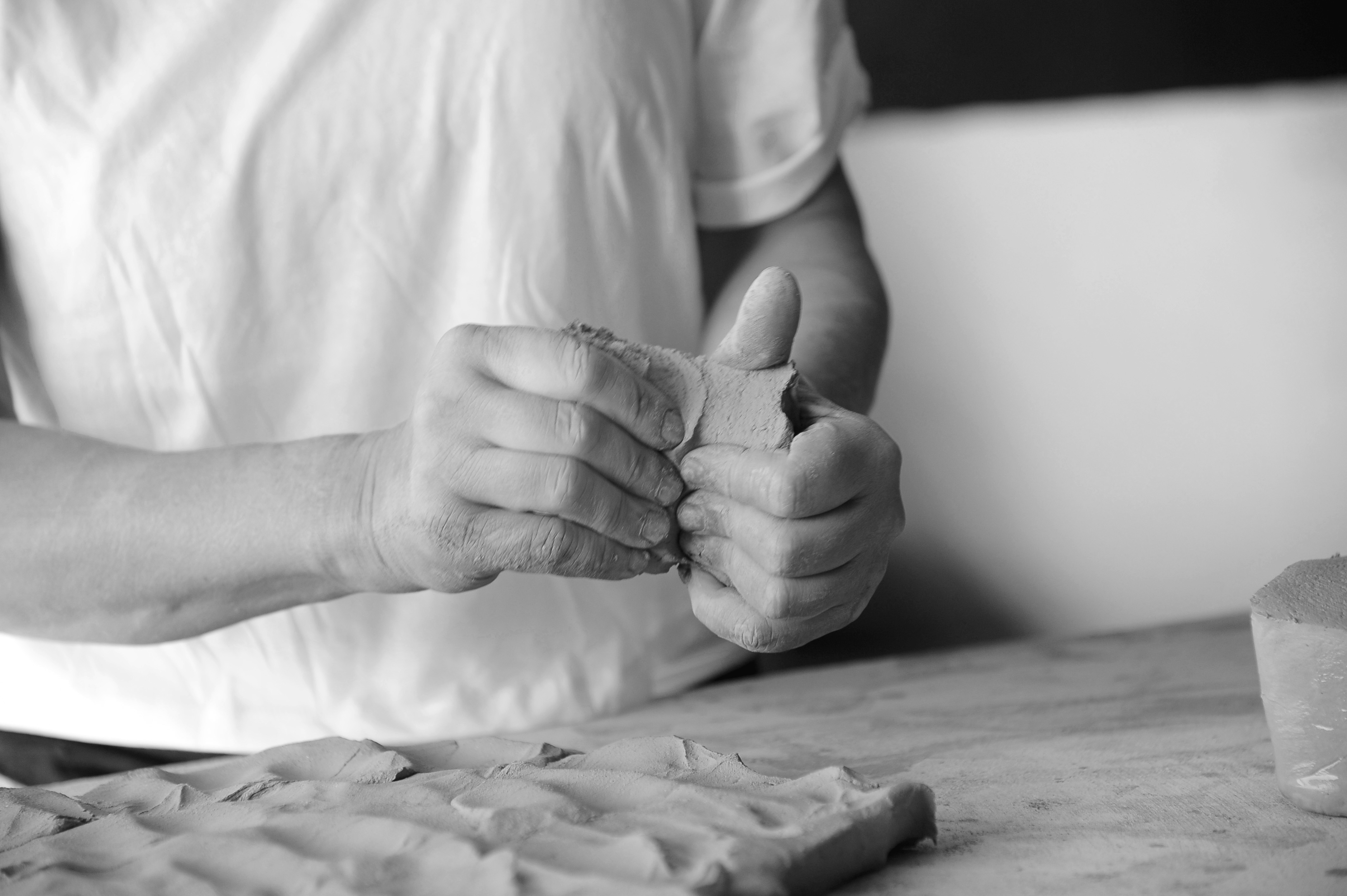
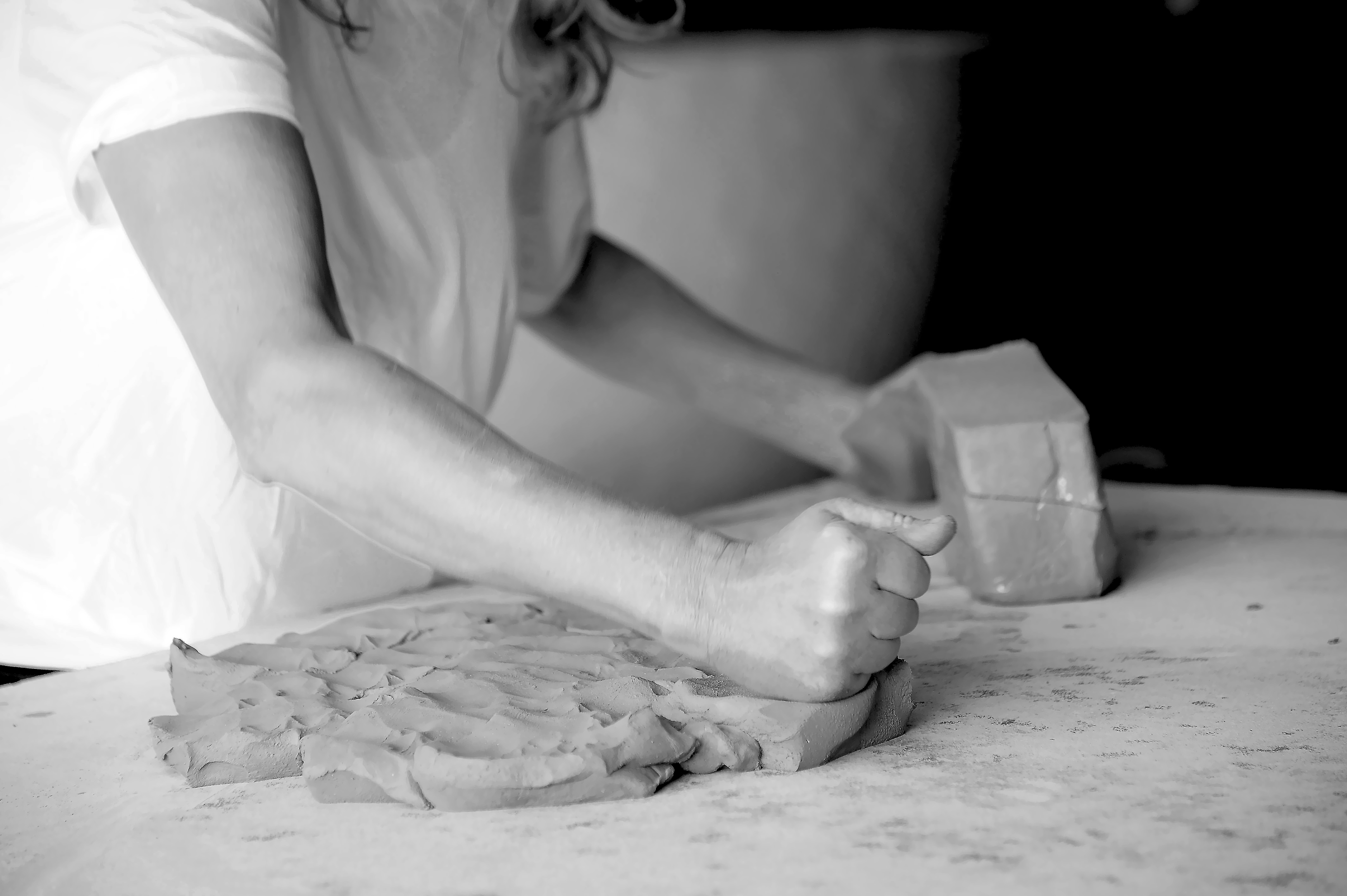
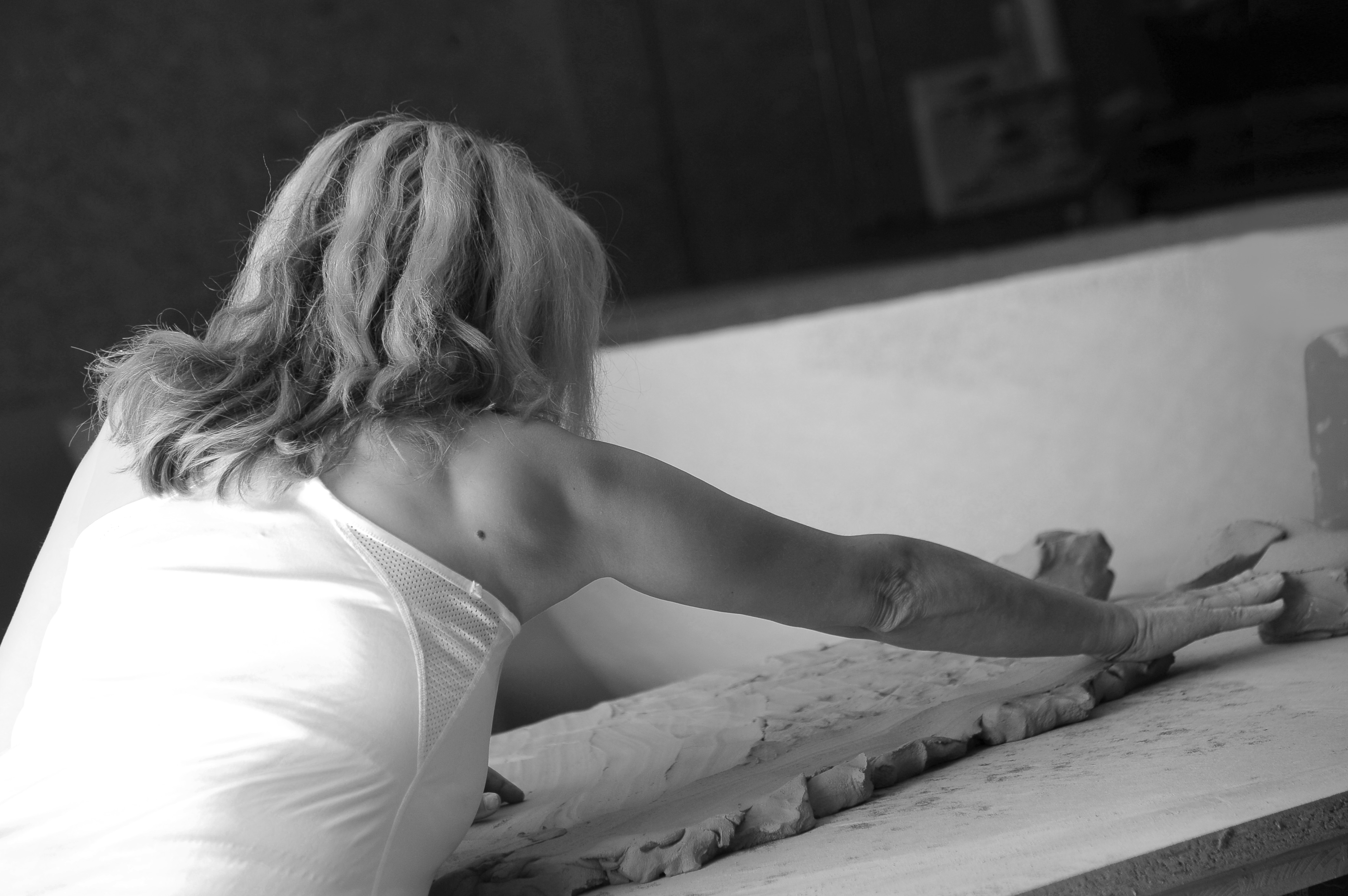
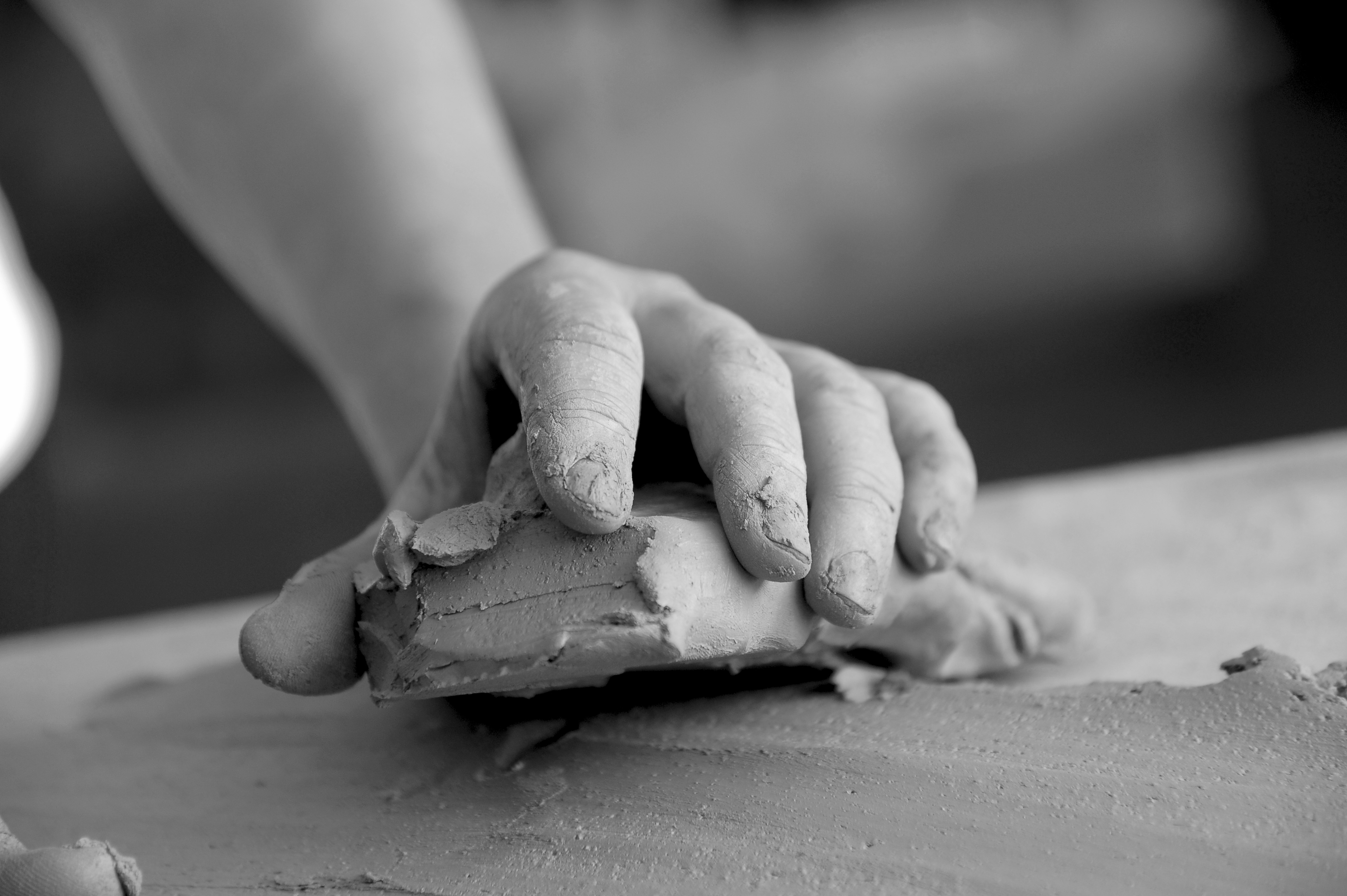
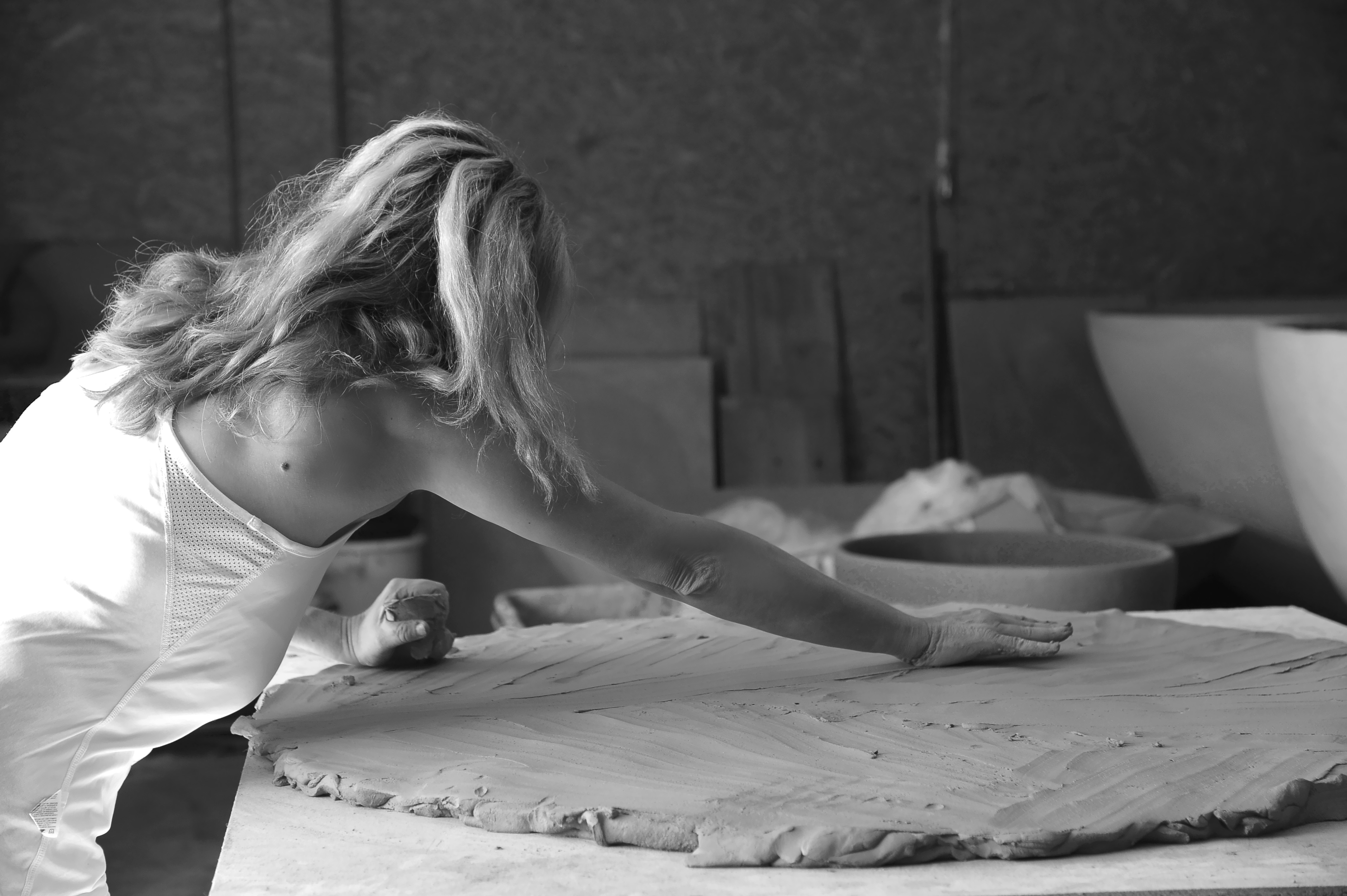
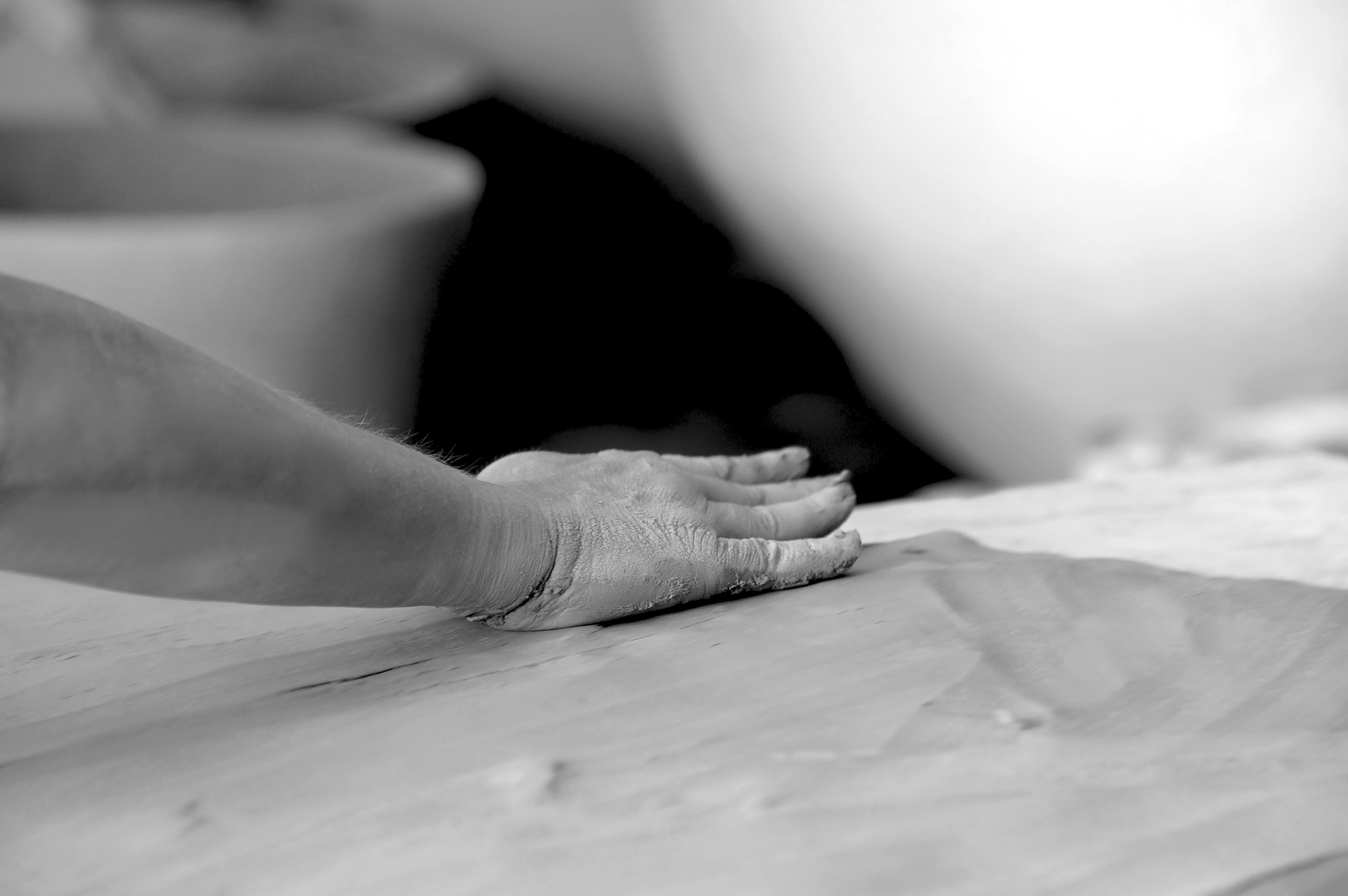
Sie nennt ihre Tongefäße „Potwale“. Alle Potwale baut die Künstlerin mit der Hand auf, sie führt sie in den Brennofen, dort werden sie mit über 1200 Grad gebrannt. Die Tongefäße haben bis zu 2,4 Meter Durchmesser. Wenn Sie von Natur träumen, von Bäumen, seien es Zier- oder Obstbäume, brauchen sie dazu keine Gartenfläche mehr. Die Pflanzen können in ein Tongefäß gesetzt werden, sie gedeihen wunderbar. Auch Gemüse können sie anpflanzen.
Stellen sie sich ein Weizenfeld mit blutrotem Mohn und tiefblauen Kornblumen vor, Bohnen und Tomaten, umgeben von Ringelblumen, Koriander und Kapuzinerkresse, Wasserschalen mit Seerosen führen sie zu einem imaginären See. Leer sehen die Gefäße wie Objekte aus. Sie halten Wind und Wetter stand, Schnee und Eis. Es gibt keine Auftragsarbeiten. Die riesigen Tongefäße können nach Terminvereinbarung besichtigt werden.
Imagine a one-woman manufactory. A house on a hill, an artist in work shoes like those worn by construction workers, a kiln, a forklift truck. The artist sits on the forklift truck and feeds clay pots into her kiln. A delicate job. It's all about centimetres.
She calls her clay pots ‘potwhales’. The artist builds all the pot whales by hand and guides them into the kiln, where they are fired at over 1200 degrees. The clay vessels are up to 2.4 metres in diameter. If you dream of nature, of trees, whether ornamental or fruit trees, you no longer need a garden area. Plants can be planted in a clay pot and thrive wonderfully. You can also plant vegetables.
Imagine a wheat field with blood-red poppies and deep blue cornflowers, beans and tomatoes surrounded by marigolds, coriander and nasturtiums, water bowls with water lilies lead you to an imaginary lake. Empty, the containers look like objects. They withstand wind and weather, snow and ice. There are no commissioned works. The huge clay vessels can be viewed by appointment.
Immaginate una manifattura monoprofessionale. Una casa su una collina, un'artista con scarpe da lavoro come quelle indossate dagli operai edili, un forno, un carrello elevatore. L'artista si siede sul carrello elevatore e introduce i vasi di argilla nel suo forno. Un lavoro delicato. È tutta una questione di centimetri.
L'artista chiama i suoi vasi di argilla “balene di terracotta”. L'artista costruisce a mano tutti i vasi balena e li guida nel forno, dove vengono cotti a oltre 1200 gradi. I vasi di argilla hanno un diametro massimo di 2,4 metri. Se sognate la natura, gli alberi, sia ornamentali che da frutto, non avete più bisogno di un giardino. Le piante possono essere piantate in un vaso di argilla e prosperare meravigliosamente. Si possono anche piantare ortaggi.
Immaginate un campo di grano con papaveri rosso sangue e fiordalisi blu intenso, fagioli e pomodori circondati da calendule, coriandolo e nasturzi, ciotole d'acqua con ninfee che vi portano a un lago immaginario. Vuoti, i contenitori sembrano oggetti. Resistono al vento e alle intemperie, alla neve e al ghiaccio. Non ci sono opere commissionate. Gli enormi vasi di argilla possono essere visitati su appuntamento.


Impressum
Potwal Werkstatt
Künstlerin: Barbara Rein
Oberbildstein, Vorarlberg
Österreich
Website: www.potwalwerkstatt.com
Email: info@potwal.at
Tel: +43 664 8229552
Verantwortlich für den Inhalt gemäß § 25 MedienG: Philipp Wolber